new clients - Students/seniors $35 - Corp tax filing starts $800 - install app

CRA Scams – What to Watch For
Learn how to spot CRA scams and protect yourself from fraud. Discover common red flags, real examples, and what the CRA will never do.
12/4/20253 min read
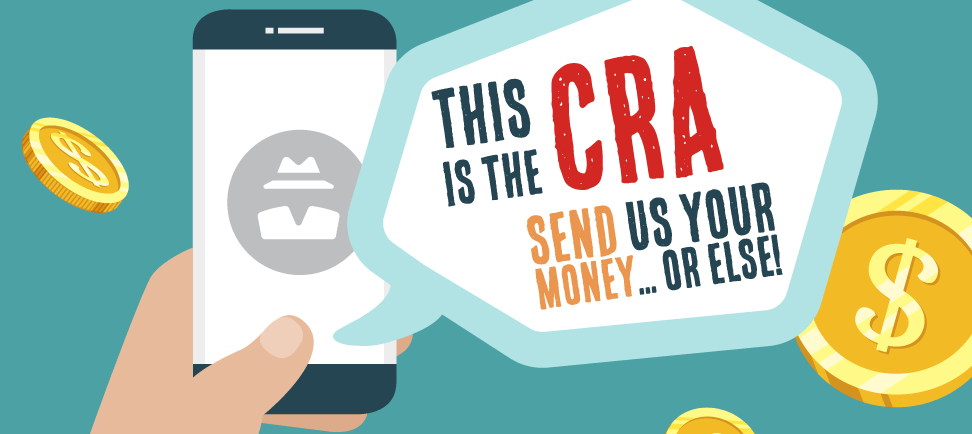
CRA Scams – What to Watch For
With tax season in full swing, Canadians are reporting more scam attempts than ever — especially those pretending to be from the Canada Revenue Agency (CRA). These scams are designed to create fear, urgency, and confusion, often tricking people into sharing personal information or making payments they don’t owe.
Knowing how to recognize CRA scams is one of the best ways to protect your identity and your finances. Here’s what to watch for.
Why CRA Scams Are on the Rise
Fraudsters know that people become more anxious around tax time. Because the CRA is a trusted authority, scammers impersonate it to:
Steal personal information
Access banking details
Demand fake payments
Commit identity theft
These scams are becoming more sophisticated each year, making awareness more important than ever.
Common Types of CRA Scams
1. Phone Scams
One of the most common scams involves aggressive phone calls claiming:
You owe unpaid taxes
You must pay immediately to avoid arrest
Your SIN number has been compromised
The caller is a CRA “officer”
These calls often use threats, intimidation, and urgency.
🔴 Red Flag: The CRA does not threaten arrest, deportation, or police involvement over the phone.
2. Text Message Scams
Scammers send text messages claiming:
You have a refund waiting
Your account needs verification
You must click a link to receive payment
These links often lead to fake CRA websites.
🔴 Red Flag: The CRA never sends links by text message.
3. Email Scams
Scam emails may look extremely professional and include CRA logos, branding, and “secure message” disclaimers. They often:
Ask you to confirm personal information
Request login details or banking info
Include suspicious attachments
Provide links to fraudulent websites
🔴 Red Flag: The CRA will never email you asking for confidential information.
4. Online Account / MyCRA Scams
Some fraudsters create fake websites that look identical to the CRA login page. Their goal is to steal your username, password, or security codes.
🔴 Red Flag: Always check the URL — the real CRA website ends in “.gc.ca”.
5. Gift Card, Bitcoin, or Prepaid Card Payment Scams
No government agency in Canada demands payment in:
iTunes cards
Google Play cards
Bitcoin
Prepaid gift cards
If someone asks for these, it’s a scam — 100%.
How to Identify a CRA Scam: Key Red Flags
✔ 1. Pressure or Threats
Scammers use fear to force quick decisions.
✔ 2. Unusual Payment Methods
CRA only accepts legitimate methods like online banking, debit, or credit — never gift cards.
✔ 3. Requests for Personal Information
If they ask for SIN, bank numbers, or passwords, it’s fake.
✔ 4. Spelling & Grammar Mistakes
Many scam messages contain errors or awkward wording.
✔ 5. Unexpected Contact
If you didn’t ask CRA to call or contact you, be cautious.
What the CRA Will Do
The CRA may:
Send you a letter by mail
Leave a voicemail asking you to call them back
Ask for documents during a review
Contact you through your CRA MyAccount inbox
These are normal and safe.
What the CRA Will Never Do
The CRA will never:
Demand immediate payment
Threaten arrest or send the police
Ask for credit card info by phone
Send text messages with links
Ask for SIN or banking info via email
Ask for payment with gift cards or cryptocurrency
If you experience any of these, it’s a scam.
How to Protect Yourself From CRA Scams
1. Never click links from unknown messages
Always access CRA services directly through the official site.
2. Use multi-factor authentication on CRA MyAccount
3. Verify caller identity
Hang up and call CRA directly at their official number.
4. Report suspicious activity
You can report scams to the Canadian Anti-Fraud Centre.
5. Educate family members
Seniors and newcomers are common targets.
Real Example: How We Helped a Client Avoid a Scam
A client called us after receiving a voicemail claiming:
“Your SIN has been suspended due to suspicious activity. Press 1 to speak with an officer.”
The caller pretended to be a CRA agent and demanded immediate payment.
We immediately confirmed it was a scam, instructed the client to block the number, and advised them to check their CRA account — which showed no issues at all.
This quick action prevented potential identity theft and financial loss.
Final Thoughts
CRA scams are becoming more frequent and more sophisticated, but understanding the warning signs can keep you safe. When in doubt, never provide personal information, never make immediate payments, and always verify with an official CRA representative.
If you're unsure about a letter, call, or message you received, our team at TikiTax is here to help you confirm whether it’s legitimate and guide you on what to do next.
Services
Personalized tax preparation and consulting for all.
Location:
Support
email: info@tikitax.com
Phone:(+1).236.788.7799
© 2024. All rights reserved.
2339 HW 97, Kelowna, BC, Canada
145 Chadwick Ct Suite 220, North Vancouver, BC V7M 3K1