new clients - Students/seniors $35 - Corp tax filing starts $800 - install app

Filing Your 2025 Personal Tax Return in 2026: What Canadians Need to Know
Learn the key changes for filing your 2025 Canadian tax return in 2026, including the new federal tax rate, updated brackets, RRSP tips, and important deadlines.
3/3/20262 min read
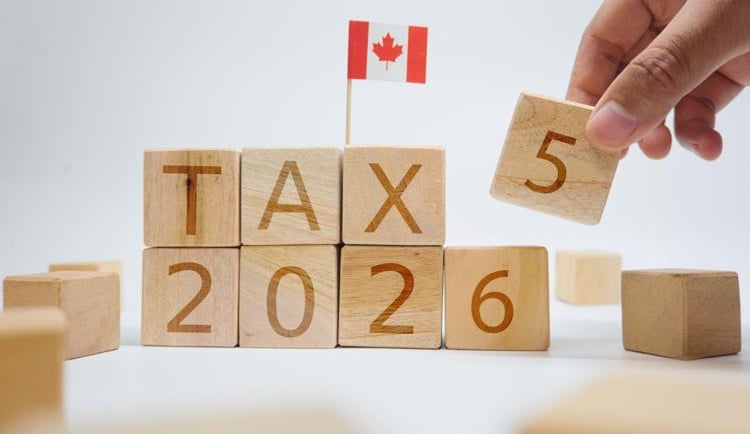
Tax season isn’t just about filing your return and moving on. Each year, small tax changes can impact how much you pay — or how much you get back.
For your 2025 personal tax return (filed in 2026), several updates may affect Canadian taxpayers. Here are the key things you should know.
1. Lower Federal Tax Rate in 2025
Starting in mid-2025, the lowest federal personal tax rate decreased from 15% to 14%.
This change means:
Canadians will pay slightly less tax on the first portion of taxable income
Non-refundable tax credits will be calculated using the new 14% rate
Most taxpayers may see small automatic savings
While the reduction is modest, it can still result in extra money in your pocket when filing your return.
2. Tax Brackets Increased Due to Inflation
As in previous years, federal income tax brackets were adjusted upward to account for inflation.
This adjustment helps Canadians by:
Allowing you to earn more before moving into a higher tax bracket
Reducing the impact of “bracket creep”
Potentially lowering overall tax if your income remained relatively stable
For many taxpayers, this adjustment may lead to slightly lower effective taxes compared to previous years.
3. Filing Your Taxes Unlocks Government Benefits
Even if you don’t owe any tax, filing your return is extremely important.
Many government programs rely on your tax filing to determine eligibility, including:
Canada Child Benefit (CCB)
GST/HST Credit
Climate Action Incentive and provincial benefits
Senior benefits
Student and tuition carry-forward credits
If you don’t file your taxes, you may miss out on these payments.
4. RRSP Contributions Still Reduce 2025 Income
RRSP contributions remain one of the most effective ways to reduce taxable income.
If you contribute before the RRSP deadline in early March 2026, the contribution can still apply to your 2025 tax return.
RRSP contributions can be especially beneficial for:
High-income earners
Self-employed individuals
Business owners
Anyone looking to increase their tax refund
Planning your RRSP strategy early can make a significant difference.
5. Self-Employed Canadians Should Pay Extra Attention
If you earn income from:
Freelance work
Ride-sharing (Uber, Lyft)
Delivery services (DoorDash, SkipTheDishes)
Contract or commission income
Rental properties
You should ensure your tax records are accurate and organized.
Important practices include:
Tracking all business expenses
Claiming home office deductions if eligible
Reporting tips and additional income
Keeping business income separate from personal finances
The CRA has increased scrutiny on self-employed filings, so proper documentation is essential.
Important 2026 Tax Deadlines
Key dates for your 2025 tax return:
April 30, 2026 – Filing and payment deadline for most individuals
June 15, 2026 – Filing deadline for self-employed taxpayers
However, any taxes owed must still be paid by April 30 to avoid interest charges.
Late filing may result in penalties and additional interest.
Common Deductions Many Taxpayers Miss
Many Canadians overlook deductions that could increase their refund.
Some commonly missed items include:
Medical expenses (including private insurance premiums)
Moving expenses for work or school
Tuition carry-forward credits
Childcare expenses
Direct tips (especially in service industries)
Work-from-home deductions
Even small claims can add up and reduce your final tax bill.
Final Thoughts
For the 2025 tax year, Canadian taxpayers should keep in mind:
A slightly lower federal tax rate
Higher tax brackets due to inflation adjustments
Government benefits that depend on filing
Continued advantages of RRSP contributions
Increased scrutiny for self-employed income
Filing early and staying organized can make tax season smoother — and may help you maximize your refund.
TikiTax & TikiWealth Team
Helping Canadians file smarter and plan better.
Services
Personalized tax preparation and consulting for all.
Location:
Support
email: info@tikitax.com
Phone:(+1).236.788.7799
© 2024. All rights reserved.
2339 HW 97, Kelowna, BC, Canada
145 Chadwick Ct Suite 220, North Vancouver, BC V7M 3K1