new clients - Students/seniors $35 - Corp tax filing starts $800 - install app
Getting Your Notice of Assessment Explained
Received your CRA Notice of Assessment? Learn what it means, what to check, and what to do if something doesn’t look right.
12/9/20252 min read
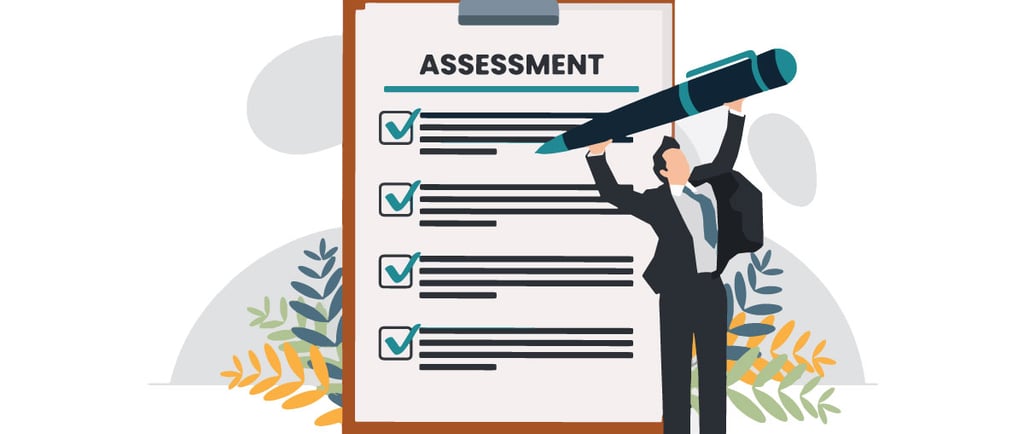

After you file your tax return, the Canada Revenue Agency (CRA) sends you a document called a Notice of Assessment (NOA). Many people receive it, glance at the refund amount, and ignore the rest.
That’s a mistake.
Your Notice of Assessment is one of the most important tax documents you’ll receive. It confirms what the CRA accepted, what they changed, and what you can do next.
This guide explains your NOA in simple terms and tells you exactly what to look for.
What Is a Notice of Assessment?
A Notice of Assessment is the CRA’s official response to your tax return. It confirms that your return has been processed and shows the CRA’s final calculation of your taxes.
You’ll usually receive it:
By mail, or
Online through CRA My Account
It typically arrives 2–8 weeks after filing, depending on how you filed.
What Information Is on Your Notice of Assessment?
Your NOA includes several key sections you should always review.
1. Total Income and Taxable Income
This shows the income the CRA used to calculate your taxes.
Make sure it matches what you reported.
If CRA received a slip you missed (like a T5 or T4A), they may adjust your income.
2. Refund or Balance Owing
Your NOA will clearly state whether:
You are getting a refund, or
You owe money
If you owe taxes, the notice will show:
The amount owing
The payment deadline
Interest charged (if applicable)
If you’re getting a refund, it confirms the final amount.
3. Changes Made by CRA
If the CRA adjusted your return, your NOA will explain:
What was changed
Why it was changed
Common reasons include:
Missing slips
Disallowed deductions
Incorrect credit amounts
Always read this section carefully.
4. RRSP Deduction Limit
Your NOA shows:
Your new RRSP contribution room
Any unused RRSP contributions
This number is critical for future tax planning.
Contributing more than your limit can result in penalties.
5. Carryforward Amounts
Your NOA confirms amounts you can use in future years, such as:
Tuition credits
Capital losses
Net capital losses
Non-capital losses
If these numbers are wrong, future returns may also be affected.
6. Installment Reminders (If Applicable)
If you’re self-employed or owe tax regularly, your NOA may include:
Instalment payment amounts
Due dates for the next tax year
Ignoring instalments can lead to interest and penalties.
Why Your Notice of Assessment Matters
Your NOA is often required when you:
Apply for a mortgage
Apply for student loans or OSAP
Apply for government benefits
Prove income
Apply for financing or immigration purposes
It is your official proof of income and tax status.
What If You Disagree With Your Notice of Assessment?
If something doesn’t look right, don’t ignore it.
You can:
Request an adjustment (T1 Adjustment Request), or
File a Notice of Objection (within 90 days)
Common issues include:
Missing deductions
Denied credits
Incorrect income amounts
A tax professional can help review your NOA and fix errors quickly.
Common Mistakes People Make With Their NOA
❌ Only checking the refund amount
❌ Ignoring CRA changes
❌ Missing RRSP limit errors
❌ Not reviewing carryforward credits
❌ Forgetting payment deadlines
❌ Losing the document
Always download and save a copy.
How TikiTax Can Help
At TikiTax, we don’t just file your return — we:
Review your Notice of Assessment
Explain CRA changes in plain English
Correct errors
File adjustments
Help avoid future penalties
If you received a Notice of Assessment and aren’t sure what it means, we’re here to help.
Final Takeaway
Your Notice of Assessment is more than just a confirmation — it’s a roadmap for your tax situation.
Always:
Read it carefully
Check the numbers
Act quickly if something looks wrong
Doing so can save you money, prevent CRA issues, and help you plan smarter for the future.
Services
Personalized tax preparation and consulting for all.
Location:
Support
email: info@tikitax.com
Phone:(+1).236.788.7799
© 2024. All rights reserved.
2339 HW 97, Kelowna, BC, Canada
145 Chadwick Ct Suite 220, North Vancouver, BC V7M 3K1