new clients - Students/seniors $35 - Corp tax filing starts $800 - install app

Should Nail Techs, Consultants & Small Businesses Incorporate in Canada?
Should nail techs, consultants, and small businesses incorporate in Canada? Learn the pros, cons, and key tax factors to decide with Tiki Tax.
1/6/20262 min read

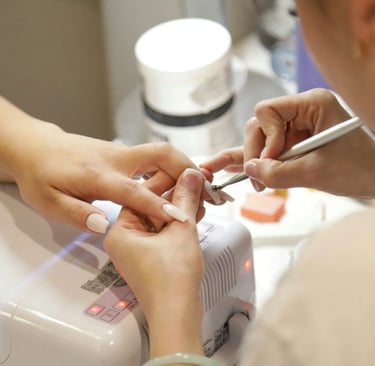
Should Nail Techs, Consultants & Small Businesses Incorporate in Canada?
A Clear, Practical Guide Without the Jargon
Incorporation is often marketed as the “next level” for small businesses—but it’s not automatically the right choice. If you’re a nail technician, consultant, or service-based small business owner in Canada, whether you should incorporate depends on your profit level, tax situation, and long-term goals.
At Tiki Tax, we help business owners decide based on numbers and strategy—not pressure.
What Does Incorporation Really Mean?
When you incorporate, you create a separate legal entity from yourself. The corporation earns income, pays its own taxes, and files a T2 corporate tax return. You then pay yourself through salary, dividends, or a mix of both.
This structure can offer tax and legal advantages, but it also comes with more rules and responsibilities.
When Incorporation May Be a Good Idea
Incorporation often makes sense if your business income is consistently strong and you don’t need to withdraw all profits for personal use. Many service providers benefit once profits reach a level where tax deferral becomes meaningful.
It can also be helpful if your work involves client risk or liability, which is common for nail techs, estheticians, and consultants. Incorporation can help separate personal and business exposure when used properly.
If you plan to grow, hire staff, reinvest profits, or build long-term value, a corporation can offer more flexibility and credibility.
When Incorporation May Not Be the Right Move
If your income fluctuates or you rely on most of your earnings for day-to-day living, incorporation may not provide real tax savings.
Corporations also require more administration. You’ll need separate bookkeeping, annual corporate tax filings, and ongoing compliance with CRA rules. For some small businesses, this added cost and complexity outweigh the benefits.
If your business risk is low and your structure is simple, staying as a sole proprietor may be more practical.
Tax Differences You Should Understand
As a sole proprietor, your business income is taxed at your personal tax rate. With a corporation, profits can be taxed at a lower corporate rate and kept in the company for future use. This creates a tax deferral opportunity—but only if you don’t need to take all the money out right away.
Incorporation is not about paying less tax automatically. It’s about timing and strategy.
Special Considerations for Nail Techs & Consultants
Cash and e-transfer income must always be reported, whether incorporated or not. GST/HST obligations don’t disappear after incorporation, and CRA often pays close attention to service businesses.
Home office, vehicle, and supply expenses can still be claimed—but they must be tracked properly.
This is why planning before incorporating is critical.
How Tiki Tax Helps You Decide
We analyze your income, expenses, and future plans to determine whether incorporation makes sense for you, not just in theory.
Tiki Tax supports you with:
Incorporation decision analysis
CRA-compliant setup
Ongoing personal and corporate tax planning
Long-term growth strategies
So, Should You Incorporate?
Incorporation can be powerful—but only when done at the right time and for the right reasons.
👉 Talk to Tiki Tax before you incorporate. We’ll help you make a smart, tax-efficient decision that fits your business and your life.
🌐 Website: https://www.tikitax.ca/
Services
Personalized tax preparation and consulting for all.
Location:
Support
email: info@tikitax.com
Phone:(+1).236.788.7799
© 2024. All rights reserved.
2339 HW 97, Kelowna, BC, Canada
145 Chadwick Ct Suite 220, North Vancouver, BC V7M 3K1